

The quest for happiness is something almost everyone can relate to, yet its meaning can vary greatly from one person to another. Recently, the Institute for the Quality of Life unveiled its 2025 Happy City Index, meticulously assessing 82 indicators across six vital categories: Citizens, Governance, Environment, Economy, Health, and Mobility. This profound analysis aims to spotlight cities that not only promote policies to enhance quality of life but also successfully implement these policies for the benefit of their residents.
Rather than singling out one “happiest” city, the index recognizes 31 cities that earned the distinction of “Gold Cities,” demonstrating strong scores across all metrics. Among these, five cities emerge as the top contenders for 2025. Let’s dive into what makes these cities the happiest places to live.
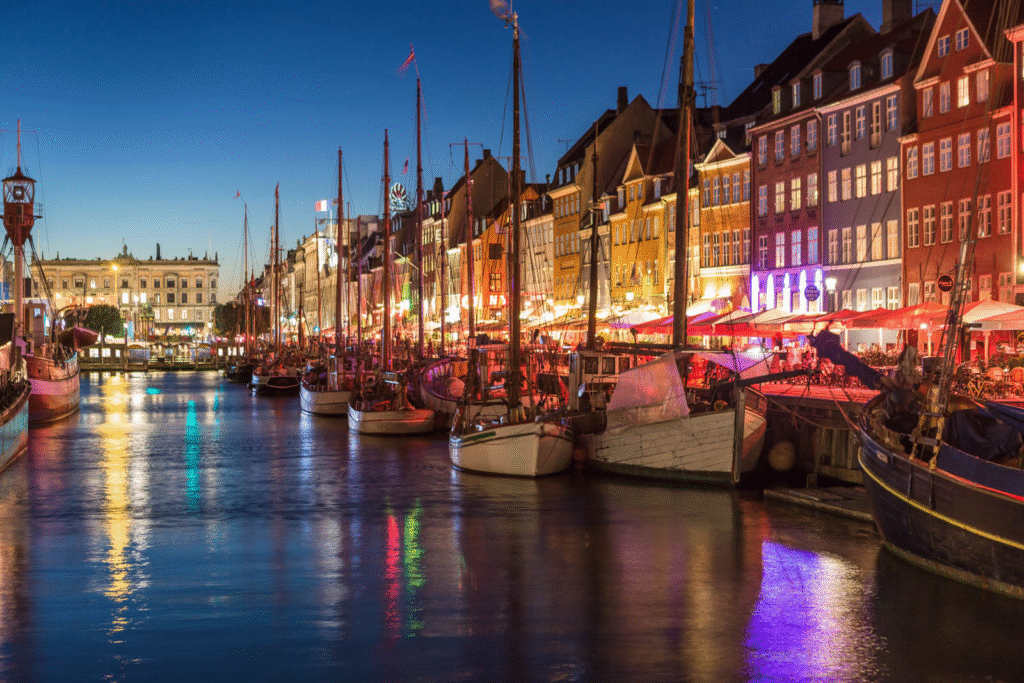
Copenhagen at night
Copenhagen, Denmark
Copenhagen, the vibrant capital of Denmark, has consistently secured its place as one of the happiest cities globally. In the 2025 Happy City Index, it received the highest overall score, showcasing its commitment to a high quality of life for its residents.
The city truly shines in the Environment category, featuring over 5,000 acres of green spaces, numerous bike paths, and innovative waste management systems that recycle over 60% of its waste. These sustainability efforts not only improve the environment but also significantly boost residents’ happiness.
Economically, Copenhagen excels as well. With a GDP per capita of over $63,000 and a median salary of approximately $54,000, the city offers robust economic stability. This financial health enables residents to enjoy a comfortable lifestyle, reinforcing their overall happiness.
Zurich, Switzerland
In the second spot on the Happy City Index, Zurich stands out as Switzerland’s largest city, known for its luxurious standard of living. Zurich scored particularly high in the Citizens and Governance categories, which emphasize citizen involvement in government decisions and access to digital services.
Residents benefit from efficient public services, with 85% of citizens expressing satisfaction with local governance. This participatory approach means residents have a real say in policies affecting their lives, fostering a strong sense of belonging.
Moreover, Zurich’s picturesque Alps and thriving cultural scene, including over 80 museums and galleries, make it an attractive place to live, further enhancing its happiness quotient.
Singapore
Singapore, often hailed for its remarkable quality of life, is frequently ranked among the happiest places in Asia. In the 2025 Happy City Index, it excelled in the new Health category, which measures public health strategies, safety, and financial protections.
The government’s commitment to cleanliness and safety means that over 90% of residents feel secure walking alone at night. Moreover, with an average life expectancy of around 84 years, the focus on public health positively impacts residents’ overall well-being.
Singapore’s multicultural environment encourages inclusivity, with more than 40% of its population comprising foreign-born residents who enrich the community fabric. This unity is a vital factor enhancing happiness in the city-state.
Aarhus, Denmark
Aarhus, Denmark’s bustling second-largest city, has also earned its place among the top five happiest cities in the 2025 Happy City Index. Known for its lively arts scene and strong community ties, Aarhus presents a unique balance of urban living and natural charm.
Boasting over 200 parks and gardens, Aarhus ranks highly in the Environment category. Initiatives aimed at reducing carbon emissions by 25% by 2030 are testament to the city’s dedication to a sustainable future.
Additionally, Aarhus ensures citizen participation through initiatives like “Aarhus Global,” facilitating community involvement in decision-making processes. This engagement fosters belonging and satisfaction among residents, making Aarhus an attractive locale.
Antwerp, Belgium
Finally, Antwerp, Belgium’s cultural gem, rounds out the top five happiest cities. Known for its rich heritage and artistic flair, Antwerp excels in enhancing quality of life for its residents.
The city’s economy thrives on innovation and entrepreneurship, generating a 3% increase in job opportunities over the past year alone. This economic growth contributes to a high standard of living for residents.
Antwerp also places a strong emphasis on sustainability, endeavoring to increase green spaces and promote public transport. A recent initiative aims to reduce car usage in the city by 20% over the next five years, promoting a healthier environment for its citizens.
Insights from the 2025 Happy City Index
The 2025 Happy City Index reveals how various factors determine urban happiness. Effective governance, economic prosperity, environmental care, and community engagement are essential components shaping residents’ quality of life.
Copenhagen, Zurich, Singapore, Aarhus, and Antwerp have emerged as the top five cities, each offering distinctive attributes that contribute to their residents’ well-being. As urban areas worldwide strive to elevate their happiness rankings, these cities serve as models for creating environments where citizens can truly thrive.
By focusing on what makes people happier, cities can implement valuable lessons from the Happy City Index. Prioritizing residents’ needs and developing effective policies will lead to happier, healthier communities and a bright future for all.